
What Causes Gas Line Leaks in Homes?
People searching for gas line leak repair want to fix dangerous leaks caused by corrosion, damage, or aging, and local service providers can handle these repairs safely and effectively.
Understanding what causes gas line leaks in homes is essential for property owners who want to ensure safety and maintain their property's integrity. Gas lines can develop leaks due to a variety of factors, including aging pipes, corrosion, ground shifting, or accidental damage during renovations or landscaping. Recognizing these common issues can help homeowners identify potential problems early and prevent more serious hazards. For those living in areas with older infrastructure or undergoing construction projects, exploring this topic provides practical insights into maintaining a safe and reliable gas system.
Local contractors who specialize in gas line leak repair are equipped to address these concerns efficiently. They can assess the condition of existing gas lines, identify the root causes of leaks, and recommend appropriate solutions to restore safety and functionality. Property owners interested in safeguarding their homes and ensuring proper gas system operation will find that understanding these causes is a valuable step toward proactive maintenance. Keep reading to discover how local service providers can assist in keeping gas lines secure and functioning properly.
- Gas line inspection - homeowners noticing a smell of gas or suspecting a leak can rely on local contractors to perform thorough inspections to identify potential issues.
- Gas line repair - when corrosion or damage is detected in the gas lines, local service providers can handle repairs to prevent leaks and ensure safety.
- Leak detection services - in cases where gas leaks are suspected but not visible, local pros use specialized equipment to locate and address leaks promptly.
- Pipe replacement - aging or deteriorating gas piping may require replacement, with local contractors providing safe and efficient upgrades.
- Corrosion mitigation - areas with rust or corrosion on gas lines can lead to leaks, and local experts can implement measures to prevent further damage.
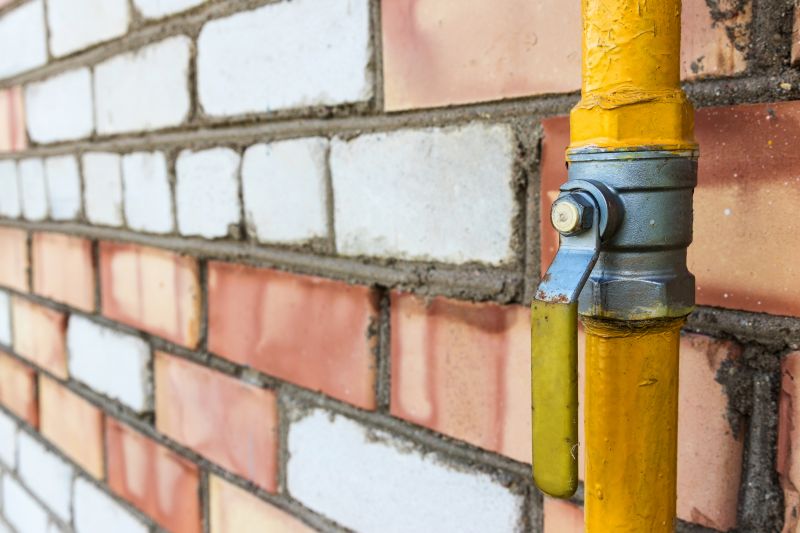
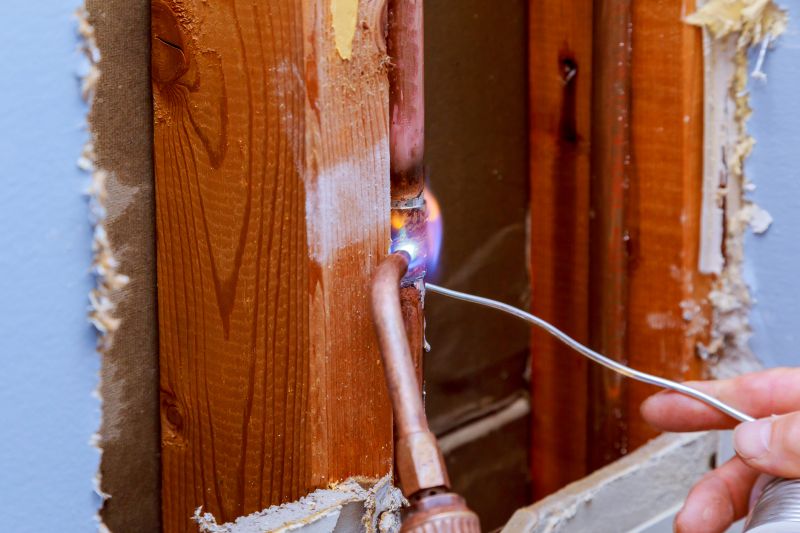
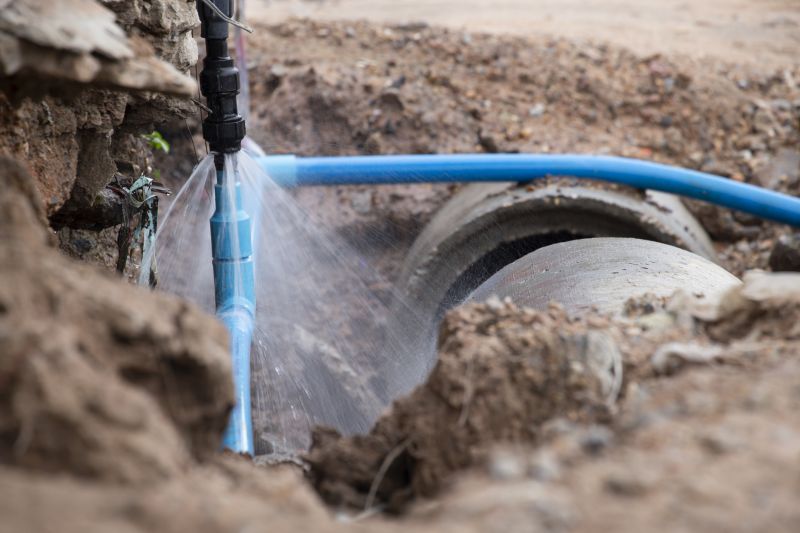
Understanding what causes gas line leaks in homes is essential for homeowners who want to maintain a safe and functional property. When people search this topic, they are often concerned about the potential risks associated with natural gas or propane lines, such as leaks that can lead to dangerous situations or costly repairs. This interest typically relates to ongoing maintenance, recent renovations, or signs of trouble like unusual odors or hissing sounds. Homeowners may also be planning to upgrade or replace aging gas lines, making it important to understand the common causes behind leaks to prevent future issues and ensure the integrity of their home's gas system.
Gas line leaks can be caused by a variety of factors, often related to wear and tear, environmental conditions, or accidental damage. Over time, the materials used in gas piping-such as metal or flexible connectors-can degrade or corrode, especially if exposed to moisture or soil conditions. Physical damage from construction activities, ground movement, or accidental impacts can also compromise the integrity of the line. Additionally, poor installation practices or faulty connections can create weak points that are more prone to leaks. Recognizing these causes helps homeowners understand how leaks develop and underscores the importance of regular inspections and proper repairs by qualified service providers.
Certain types of properties are more susceptible to issues that lead to gas line leaks. Older homes with outdated piping systems, especially those with metal pipes, are at higher risk due to corrosion and material deterioration. Properties situated in areas with high soil moisture or frequent ground movement, such as regions prone to earthquakes or soil shifting, may experience increased pipe stress and leaks. Commercial buildings or properties undergoing renovations might also face a higher likelihood of accidental damage or improper connections. Knowing the specific vulnerabilities of different property types helps homeowners and property managers prioritize inspections and work with local contractors who specialize in gas line repair and maintenance.
For homeowners concerned about potential gas line leaks, understanding the common causes is a key step in proactive maintenance and safety. When signs of a leak appear or when planning upgrades, it’s crucial to work with experienced local service providers who can accurately diagnose and repair the problem. These professionals have the expertise to identify the root causes-whether corrosion, damage, or faulty connections-and perform the necessary repairs to restore safety and function. Connecting with local contractors ensures that the work aligns with the specific needs of the property and adheres to safety standards, helping to prevent future leaks and maintain a secure home environment.
Gas Line Installation Projects - These projects involve planning and installing new gas lines, requiring skills similar to detecting and repairing leaks caused by corrosion or damage.
Plumbing Repair Services - Plumbing repairs often address issues with piping systems that can lead to leaks, making them relevant for addressing gas line deterioration or faulty connections.
Gas Appliance Hookup Services - Connecting and servicing gas appliances requires understanding of gas line integrity, which aligns with identifying and fixing leak sources.
Pipe Replacement and Upgrades - Replacing old or damaged piping involves planning and execution skills that are useful for fixing leaks caused by wear or corrosion in gas lines.
Leak Detection Services - These services specialize in locating leaks in various piping systems, directly supporting efforts to find and repair gas line leaks.
Corrosion Prevention Projects - Projects focused on protecting pipes from corrosion help prevent leaks, making them related to the maintenance of gas line integrity.
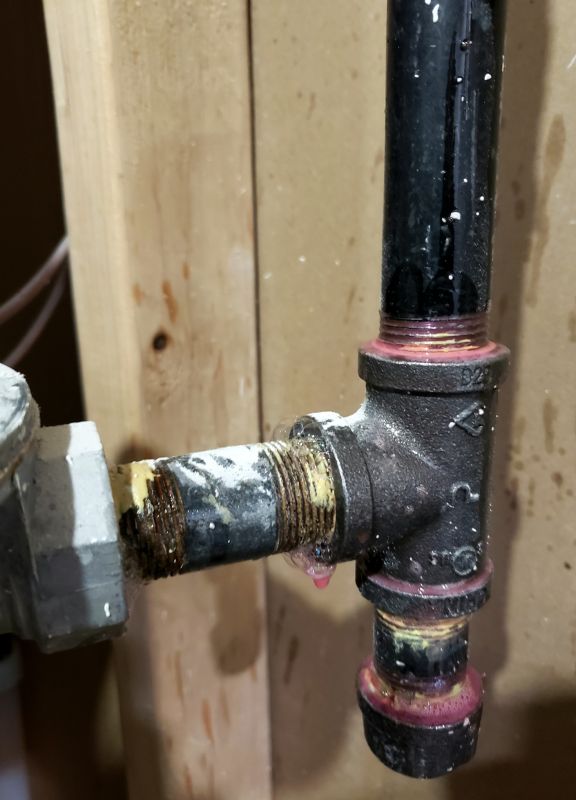
When comparing service providers for gas line leak repair, it’s important to consider their experience with similar projects. Homeowners should look for local contractors who have a track record of handling gas line issues in residential settings, as this demonstrates familiarity with common causes of leaks and the best repair practices. An experienced provider can better identify the root causes of gas line leaks, such as corrosion, damage from nearby excavation, or aging pipes, and recommend effective solutions. Checking references or reviews from previous clients can offer insights into the contractor’s reliability and the quality of their work, helping to ensure that the repair will be performed competently and safely.
Clear written expectations are essential when choosing a local contractor for gas line leak repair. Homeowners should seek providers who can offer detailed explanations of the scope of work, including what the repair will entail, any necessary inspections, and potential follow-up steps. Transparent communication about costs, materials, and timelines helps prevent misunderstandings and ensures that everyone is aligned on the project’s goals. A reputable service provider will also be willing to answer questions and provide written estimates or proposals, giving homeowners confidence that the process will be straightforward and well-managed.
Good communication is a key factor in selecting the right local contractor for gas line leak repair services. Homeowners should prioritize providers who are responsive, easy to reach, and willing to discuss concerns or specific needs related to their home’s gas system. Effective communication ensures that issues such as the causes of leaks, safety considerations, and repair options are clearly explained, allowing homeowners to make informed decisions. When service providers maintain open lines of communication throughout the project, it can lead to a smoother experience and a better overall outcome for addressing gas line issues safely and effectively.
Property owners often search for what causes gas line leaks in homes? when they are planning practical projects around their homes and businesses. Local pros provide Gas Line Leak Repair services for everyday jobs and straightforward project options.
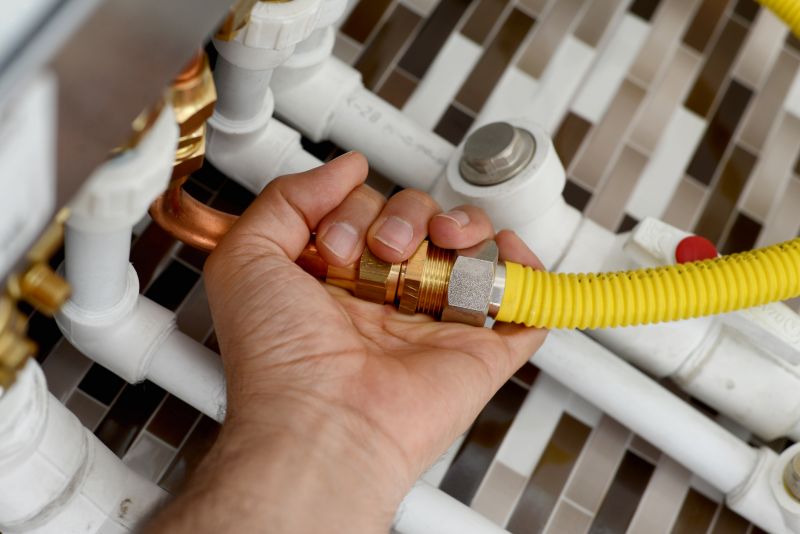
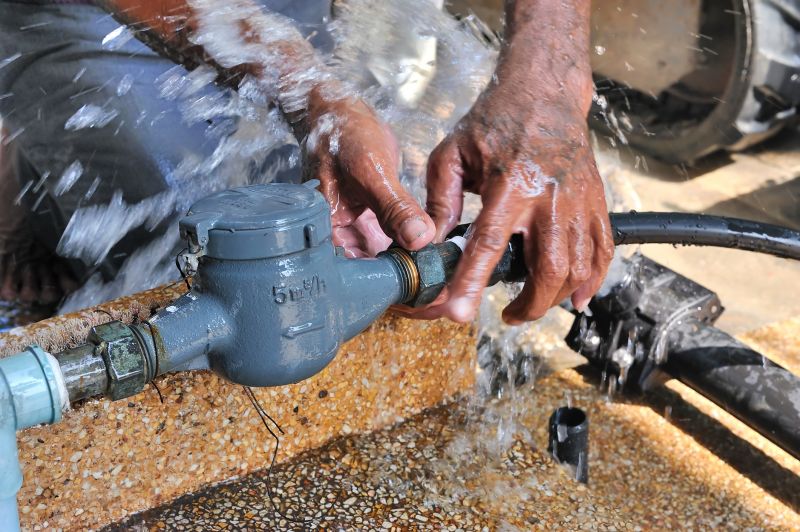
Understanding what causes gas line leaks in homes can help property owners identify potential issues before they become emergencies. Common causes include aging or corroded pipes, which can weaken over time and develop leaks, especially in older homes. Additionally, accidental damage from nearby construction, renovation projects, or even lawn maintenance can puncture or compromise gas lines. Improper installation or previous repairs that weren’t done correctly may also lead to vulnerabilities, increasing the risk of leaks. When these issues arise, it’s important to seek the expertise of local contractors who specialize in gas line repair services to ensure safety and proper resolution.
Property owners in the area often look into gas line leak repair services when they notice signs such as the smell of gas, hissing sounds near the line, or dead vegetation in the yard. Regular wear and tear, combined with environmental factors like soil shifting or corrosion, can contribute to leaks over time. Whether dealing with an old pipeline or accidental damage, trained local service providers can assess the situation and perform necessary repairs. Connecting with experienced contractors can help ensure that gas lines are restored safely and effectively, reducing the risk of future leaks and ensuring the home remains secure.
What are common causes of gas line leaks in homes? Gas line leaks can result from corrosion, physical damage, improper installation, or aging pipes that weaken over time. Local contractors can inspect and identify these issues to prevent leaks.
How does corrosion lead to gas line leaks? Corrosion occurs when metal pipes are exposed to moisture and other elements, causing the pipe material to weaken and develop holes or cracks that can lead to leaks. Service providers can assess and address corrosion-related problems.
Can physical damage cause gas line leaks? Yes, accidental impacts, digging, or nearby construction can damage gas lines, creating openings for gas to escape. Experienced local pros can repair or replace damaged sections safely.
Why might improper installation lead to leaks? Incorrect fitting, poor sealing, or using incompatible materials during installation can result in leaks over time. Professional installation by local contractors helps ensure the integrity of gas lines.
Do aging pipes increase the risk of leaks? Over time, pipes can deteriorate due to wear and environmental factors, increasing the likelihood of leaks. Regular inspections by local service providers can catch issues early.
Corrosion and Rust - property owners can inspect exposed gas lines regularly to spot signs of corrosion and schedule repairs with local contractors to prevent leaks.
Improper Installation - ensuring new gas lines are installed correctly by local contractors can help avoid leaks caused by faulty connections or poor workmanship.
Aging Infrastructure - recognizing signs of aging in gas lines, such as cracking or brittleness, encourages property owners to seek professional assessments and repairs from local service providers.
If you are thinking about what causes gas line leaks in homes? for a property, this guide is meant to help you understand this topic, the typical project types, and how different options might fit your plans.
When you are ready, you can use the quote form on this page to share a few details about your project. From there, local pros can review the basics and follow up with options that match what you have in mind.